

Your home’s plumbing gets attention when a pipe bursts. The roof gets a look after a bad storm. But the electrical system? It tends to stay out of sight and out of mind—right up until something goes wrong. That’s a problem, because electrical faults are among the leading causes of residential fires in North America.
Regular electrical inspections change that dynamic. A licensed electrician can identify worn wiring, outdated panels, code violations, and other hazards long before they cause damage. The right inspection frequency depends on your home’s age, how it’s been modified, and how much demand you place on the system. This guide breaks it all down so you know exactly when to call.
What Is a Home Electrical Inspection?
A home electrical inspection is a professional assessment of your property’s entire electrical system. A licensed electrician examines both visible components and hidden infrastructure to confirm everything is safe, functional, and up to current electrical code.
What Does an Electrician Check During an Inspection?
A thorough inspection covers far more than flipping a few switches. Expect your electrician to examine:
- Electrical panel condition — including the age of the panel, signs of overheating, and whether it can handle your home’s load
- Circuit breakers — checking for breakers that trip frequently or fail to trip when they should
- Wiring and connections — looking for damaged insulation, improper splices, or outdated materials
- Outlets and switches — testing for proper grounding and secure connections
- GFCI and AFCI protection — confirming ground-fault and arc-fault interrupters are installed where required
- Grounding and bonding — verifying the system is properly grounded to protect against shock and surge
- Smoke and carbon monoxide detector connections — ensuring detectors are wired correctly and functional
- Exterior electrical components — including weatherhead, outdoor outlets, and any exposed wiring
Why Do Electrical Inspections Matter?
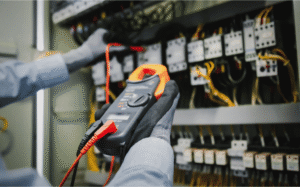 The consequences of skipping inspections aren’t just inconvenient—they can be catastrophic. Regular inspections help:
- Prevent electrical fires caused by faulty wiring or overloaded circuits
- Reduce shock hazards from improper grounding or damaged insulation
- Detect code violations before they become legal or insurance liabilities
- Improve system reliability so lights, appliances, and devices work as expected
- Protect electronics and appliances from power fluctuations caused by aging infrastructure
How Often Should You Have Your Home’s Electrical System Inspected?
There’s no single answer that works for every property. Inspection frequency should reflect your home’s age, electrical load, and history of renovations.
Every 10 Years for Most Homes
Homes with modern electrical systems—typically those built or fully rewired in the past 25 years—should be inspected at least once a decade. This interval is enough to catch gradual wear, aging components, and any compliance gaps that have emerged as codes have evolved. Think of it as preventative maintenance: catching small issues before they quietly grow into serious ones.
Every 3–5 Years for Older Homes
Homes over 25 to 40 years old carry more inherent risk. Wiring materials, panel designs, and grounding methods from earlier decades often fall short of today’s safety standards. Knob-and-tube wiring, aluminum branch wiring, and older fuse boxes are common culprits. More frequent inspections—every three to five years—help ensure these systems remain as safe as possible and flag when upgrades are necessary.
Annual Inspections for High Electrical Demand
Some homes place significantly higher demands on their electrical systems. If any of the following apply to your property, annual inspections are worth considering:
- A home business with commercial-grade equipment
- A workshop running power tools and machinery
- Electric vehicle charging equipment
- A hot tub or pool with dedicated electrical circuits
- A large HVAC system or multiple high-draw appliances
- Extensive smart home equipment and whole-home automation
High demand accelerates wear. More frequent check-ins keep that wear from becoming a hazard.
When Should You Schedule an Electrical Inspection Immediately?
Routine intervals aside, some situations call for an inspection right away—regardless of when you last had one.
Before Buying a Home
A pre-purchase electrical inspection reveals hidden issues that a general home inspection can miss. Knowing the true condition of the electrical system helps you negotiate the purchase price and budget accurately for any necessary repairs or upgrades.
Before Selling Your Home
Addressing electrical problems before listing gives buyers confidence and reduces the risk of deals falling through during due diligence. A clean electrical report can also be a genuine selling point.
After a Major Renovation
Renovations frequently involve changes to walls, circuits, or the panel. Even if a licensed electrician completed the work, a final inspection confirms everything is code-compliant and that no existing wiring was inadvertently damaged during construction.
After Storm or Flood Damage
Water and power surges are a dangerous combination. Flooding can saturate wiring and corrode connections, while power surges from downed lines can damage breakers, outlets, and appliances. An inspection after any significant weather event is essential before restoring full power use.
Following a Lightning Strike
Lightning can cause damage that isn’t immediately visible. Surge damage may not show up in everyday use but can degrade components over time, increasing fire risk. If your home has taken a direct or nearby strike, have it inspected before assuming everything is fine.
Signs Your Home May Need an Electrical Inspection
Don’t wait for the scheduled interval if your home is showing warning signs. Contact a licensed electrician if you notice:
- Flickering or dimming lights
- Frequently tripped breakers
- Burning smells near outlets or the panel
- Warm outlets or switches to the touch
- Buzzing or crackling sounds from outlets or walls
- Sparking outlets
- Only two-prong (ungrounded) outlets throughout the home
- Extension cords being used as permanent wiring solutions
- Discoloured or scorched outlet covers
- An old fuse box instead of a circuit breaker panel
- Aluminum branch wiring or knob-and-tube wiring
Any one of these symptoms warrants professional attention. Multiple symptoms suggest the problem may already be significant.
What Happens During a Professional Electrical Inspection?
Visual Inspection
The electrician begins with a visual walkthrough, examining accessible wiring, the electrical panel, outlets, and light fixtures for obvious damage, improper installations, or signs of overheating.
Electrical Testing
Visual inspection only goes so far. Licensed electricians use specialized tools to conduct:
- Voltage testing — confirming outlets and circuits deliver correct voltage
- Circuit testing — identifying overloaded or faulty circuits
- Ground fault testing — verifying GFCI devices respond correctly
- Load testing — assessing whether the panel can safely handle current and future electrical demands
Safety Recommendations
At the conclusion of the inspection, the electrician provides a written report outlining any immediate repairs needed, recommended upgrades, areas approaching code non-compliance, and preventative maintenance suggestions for the future.
Benefits of Regular Electrical Inspections
The case for routine inspections is straightforward:
- Improved family safety through the early detection of fire and shock hazards
- Reduced fire risk from aging or damaged wiring
- Fewer unexpected failures that disrupt daily life
- Extended lifespan of electrical components through proactive maintenance
- Small problems caught before they become expensive repairs
- Confidence that renovations remain code-compliant
- Greater buyer confidence when the time comes to sell
How long does a home electrical inspection take?
Most residential inspections take between one and three hours. Smaller homes or condos may be completed in under an hour, while larger homes with complex electrical systems or additional structures may take three hours or more.
Can I inspect my own electrical system instead of hiring an electrician?
While homeowners can check basic things, like whether an outlet works or a breaker trips — a professional inspection goes much further. Licensed electricians use specialized diagnostic tools and code knowledge to identify issues inside walls, within the panel, and at the grounding system that aren’t visible or testable without the right equipment.
Is an electrical inspection required by home insurance?
Requirements vary by insurer and by home age. Many insurance companies require an electrical inspection for homes over a certain age before issuing or renewing coverage. Homes with older wiring types like knob-and-tube are frequently flagged. Check your policy or speak with your insurer to confirm what’s required.
Schedule Your Home Electrical Inspection with Somerton Electric
 Electrical problems rarely announce themselves before they become serious. The wiring inside your walls doesn’t give you much warning, which is exactly why regular inspections matter.
Whether your home is due for its routine check-up, showing signs of trouble, or you’re preparing to buy or sell, the team at Somerton Electric is ready to help. Somerton Electric provides professional residential electrical inspections, maintenance, repairs, and upgrades across London, Ontario, and surrounding communities.
Don’t wait for a problem to push you into action. Reach out to Somerton Electric today and book your inspection.