

Not every electrical issue requires an emergency call. Some problems, like a flickering light or an outdated outlet, can safely wait for a scheduled appointment with an electrician. Others pose an immediate risk of fire, shock, or serious property damage and need attention right away.
Knowing the difference matters. Waiting too long on a genuine electrical emergency can put your home and family at risk, while treating every minor issue as an emergency can lead to unnecessary stress and expense. Recognizing the warning signs helps you respond appropriately and know exactly when to call for emergency electrical repair.
This guide walks through what qualifies as an electrical emergency, the warning signs to watch for, and what to do if you’re facing one. We’ll also cover how homeowners in London, Ontario can reach Somerton Electric for fast, licensed electrical troubleshooting and repair when the situation calls for it.
What Is Considered an Electrical Emergency?
An electrical emergency is any situation where an electrical problem creates an immediate safety risk. This typically includes:
- A risk of fire or burning
- A risk of electrical shock
- A significant or unexplained loss of power
- Situations where electrical equipment can’t be safely isolated or shut off
These situations demand fast action because they can escalate quickly. A small spark or overheated wire left unaddressed can lead to a house fire within minutes. If you’re unsure whether your situation qualifies, it’s safer to treat it as an emergency and contact a licensed electrician.
Signs You May Need an Emergency Electrician
Burning Smell From an Outlet, Switch or Electrical Panel
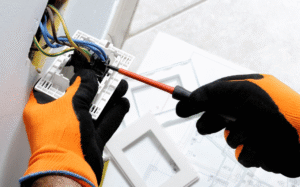 A burning plastic or acrid electrical odor often signals overheated wiring or components inside the wall, outlet, or panel. This smell shouldn’t be ignored, even if you don’t see visible damage. Overheating insulation can quickly progress to a fire, so it’s worth having a licensed electrician investigate immediately.
Smoke or Sparks Coming From Electrical Components
Outlets that spark repeatedly, or smoke coming from a switch, panel, or section of wiring, are clear signs of an active hazard. If you can do so safely, disconnect power to the affected area, but never approach a hazardous area to do this. If there’s visible fire or immediate danger, call emergency services before anything else.
Electrical Panel Is Hot, Buzzing or Making Unusual Noises
Your electrical panel should be silent and cool to the touch. Buzzing, crackling, or excessive heat suggests loose connections, overloaded circuits, or failing components inside the panel. These issues require professional attention promptly, as panels are a central point where a failure can affect your entire home’s electrical system.
Repeatedly Tripping Circuit Breakers
An occasional trip after plugging in a high-draw appliance is normal. Persistent tripping is not. It often points to an overloaded circuit, a short circuit, or another underlying fault that needs diagnosis.
You Received an Electrical Shock
Any shock from an outlet, switch, appliance, or fixture is worth taking seriously, even if it seems minor. A shock indicates that electricity is reaching somewhere it shouldn’t. Stop using the affected equipment or circuit immediately and have it inspected before continuing to use it.
Partial or Unexplained Power Loss
If a section of your home suddenly loses power, first check whether it’s a wider utility outage in your area. If neighboring homes still have power and the outage appears isolated to your house, this suggests a problem within your home’s electrical system that needs to be diagnosed by a professional.
Water Has Come Into Contact With Your Electrical System
Flooded basements, leaking pipes near electrical equipment, or water entering an outlet or panel create serious shock and fire hazards. Never enter standing water if there’s a chance electricity is present, and avoid touching any affected switches or outlets until a licensed electrician has assessed the situation.
Damaged or Exposed Electrical Wiring
Wiring can become damaged through renovations, rodent activity, storms, or general property damage. Exposed conductors are a shock and fire hazard and should be treated as an emergency, particularly if the wiring is accessible to children or pets.
Electrical Problems That Usually Aren’t Emergencies
Not every electrical issue needs urgent attention. Common examples of non-emergency electrical work include:
- A single dead outlet with no other warning signs
- Installing new outlets or fixtures
- Planned electrical panel upgrades
- Adding new circuits
- Lighting upgrades
- Routine electrical inspections
These situations should still be assessed by a licensed electrician when convenient, but they can generally be scheduled as a regular service call rather than treated as an emergency.
What Should You Do During an Electrical Emergency?
If you’re facing a genuine electrical emergency, keep these steps in mind:
- Stay away from the affected electrical equipment
- Don’t touch exposed wires under any circumstances
- If it can be done safely, shut off the affected circuit or main power
- Keep people and pets away from the area
- For fire, smoke, serious shock, or immediate danger, contact emergency services first
- Contact a licensed electrician to inspect and repair the underlying electrical problem
When Should You Call an Emergency Electrician?
The general rule: if there’s an immediate safety risk, call an emergency electrician right away. If the issue is inconvenient but not dangerous, such as a single dead outlet, it can typically be scheduled as a regular electrical repair.
If you’re uncertain which category your situation falls into, that uncertainty is itself a reason to stop using the affected circuit or equipment and seek professional guidance. It’s safer to have a licensed electrician assess the problem than to continue troubleshooting something that could be unsafe.
Emergency Electrical Repairs in London, Ontario
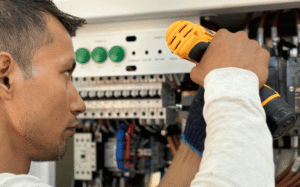 Somerton Electric provides electrical troubleshooting and repair services for homeowners across London, Ontario. From diagnosing the cause of a tripping breaker to inspecting damaged wiring or a malfunctioning panel, Somerton Electric’s licensed electricians are equipped to identify and resolve a wide range of residential electrical problems.
If you’re dealing with an electrical issue and aren’t sure whether it can wait, reach out to a licensed electrician in London, Ontario for an inspection, diagnosis, and repair you can count on.
Frequently Asked Questions
Is a sparking outlet an electrical emergency?
Yes. A sparking outlet indicates a fault that could lead to fire or shock. Disconnect power if it’s safe to do so and contact an emergency electrician.
Is a burning electrical smell an emergency?
Yes. A burning or plastic odor near an outlet, switch, or panel often means wiring or components are overheating, which can lead to a fire if not addressed promptly.
Should I call an electrician if my breaker keeps tripping?
Yes, if it happens repeatedly. Persistent tripping usually points to an overloaded circuit or a short, both of which need professional diagnosis.
Is a buzzing electrical panel dangerous?
Yes. Buzzing or crackling sounds from a panel often indicate loose connections or failing components that require prompt attention from a licensed electrician.
What should I do if an outlet is hot?
Stop using the outlet immediately and avoid touching it further. A hot outlet can indicate an internal fault and should be inspected by a professional.
Who should I call if I lose power in only part of my house?
First, check whether neighboring homes are also affected, which may indicate a utility outage. If the outage is isolated to your home, contact a licensed electrician to diagnose the cause.
Can I turn off my electrical panel during an emergency?
If it can be done safely and without approaching a hazardous area, shutting off the main power or affected circuit can help reduce risk while you wait for a professional.
When should I call 911 instead of an electrician?
Call emergency services immediately if there’s active fire, heavy smoke, or someone has experienced a serious electrical shock. Contact an electrician afterward to address the underlying problem.
Don’t Ignore the Warning Signs of an Electrical Emergency
Electrical emergencies rarely give much warning, but the signs, burning smells, sparks, buzzing panels, shocks, are almost always there if you know what to look for. Recognizing them early can prevent a minor issue from turning into a serious hazard.
Experiencing an electrical problem in London, Ontario? Contact Somerton Electric to have the issue assessed by a licensed electrician.