

Electrical work in your home is not something to take lightly. A single wiring mistake can lead to serious safety hazards, including electrical shocks and house fires. Following the proper electrical code requirements is an absolute must for any home project, large or small.
In Ontario, these rules are set and enforced by the Electrical Safety Authority (ESA). They ensure that every wire, outlet, and electrical panel in your house is installed safely and securely. Sticking to these guidelines protects your family, keeps your property insurance valid, and ensures your home remains a safe place to live.
This guide is designed for homeowners, landlords, and anyone planning a home renovation. We will cover the basics of the Ontario electrical code, explain when you need a permit, and break down the specific rules for different rooms in your house.
What Is the Ontario Electrical Code?
The Ontario Electrical Safety Code (OESC) is the official set of rules governing all electrical work in the province. It is heavily based on the Canadian Electrical Code but includes specific provincial amendments to address local needs and safety concerns.
The ESA regularly updates this code to reflect the latest safety standards, modern technology, and new building practices. No matter where you live in Ontario, from Toronto to Thunder Bay, these rules apply to your property and must be followed by law.
Do Homeowners Need Permits for Electrical Work?
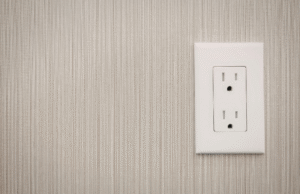 You might be wondering if you need a permit to change a light fixture or upgrade an outlet. In Ontario, almost all electrical work requires a notification of work, commonly referred to as a permit, from the ESA.
These permits ensure that a qualified inspector reviews the completed work. Skipping the permit process can result in hefty fines. Worse, if unpermitted electrical work causes a fire, your insurance company may deny your claim, leaving you completely responsible for the damages. Always check with the ESA before starting a project to confirm if a permit is required.
Who Can Legally Do Electrical Work in Ontario?
The safest route is always hiring a Licensed Electrical Contractor (LEC). These professionals have the training, experience, and certification to perform work that meets the strict standards of the OESC.
Ontario law does allow homeowners to do electrical work in their own homes. However, you must still pull a permit and pass an ESA inspection. You cannot do electrical work for a friend or a neighbor. If you do not have extensive electrical experience, hiring a licensed electrician is highly recommended to avoid dangerous mistakes.
Common Electrical Code Requirements for Homes
When updating your home’s electrical system, several general rules apply across the board.
Outlet & Receptacle Rules
To prevent the use of dangerous extension cords, the code requires a minimum spacing between outlets along your walls. Any outlet located near a water source, such as in kitchens, bathrooms, or outdoors, must have Ground Fault Circuit Interrupter (GFCI) protection. Additionally, living spaces like bedrooms and family rooms require Arc Fault Circuit Interrupter (AFCI) protection to prevent electrical fires caused by sparking wires.
Panel & Circuit Requirements
Your breaker panel is the heart of your home’s electrical system. The code requires proper labeling of the breaker panel so you know exactly which switch controls which room. You must also avoid overcrowded circuits. Today, most modern homes require a 200-amp service size to handle the load of modern appliances, though older homes may still operate safely on a 100-amp service if the load is managed correctly.
Wiring Standards
All electrical projects must use approved wiring methods and materials. There can be no exposed or damaged wiring in your living spaces. All wire connections must happen inside approved junction boxes, and those boxes must have secure covers installed.
Kitchen Electrical Code Requirements
Kitchens use a lot of power, so they have strict electrical requirements. You must install dedicated circuits for major appliances like refrigerators, stoves, and microwaves. This prevents a single appliance from tripping a breaker. GFCI outlets are required near the sink to prevent shock hazards. Furthermore, the code dictates specific spacing rules for countertop outlets so you can safely plug in blenders and toasters without stretching cords across the workspace.
Bathroom Electrical Code Requirements
Water and electricity are a dangerous combination. Bathroom electrical code requirements mandate GFCI protection for all receptacles. You also need separate circuits for certain high-draw fixtures, like heated floors or powerful hair dryers, to prevent overloading the system. The safe placement of outlets is strictly enforced to keep them a safe distance away from sinks, showers, and bathtubs.
Outdoor & Exterior Electrical Rules
Taking power outside requires extra precautions against the elements. All exterior outlets must feature weatherproof covers that protect the receptacle even when a cord is plugged in. GFCI protection is mandatory for all outdoor outlets. If you are running power to a shed or outdoor lighting, the code specifies the proper burial depth for underground wiring to prevent accidental damage during landscaping.
Basement & Renovation Requirements
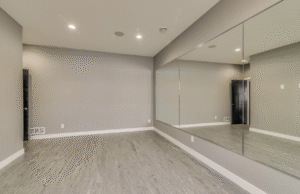 Finishing a basement means turning a raw space into a livable area, which brings a host of code requirements. You will need permits for the new electrical work. The OESC also requires proper placement of smoke and carbon monoxide detectors to ensure the new space is safe. You must install adequate lighting and space your outlets correctly, just as you would in any other living area of the house.
What Happens If Your Home Isn’t Up to Code?
Failing to meet the Ontario electrical code creates serious safety risks, including fire and shock hazards. If a fire occurs due to faulty wiring, you face severe insurance claim denials.
Code violations also cause major issues when selling your home. Home inspectors will flag unpermitted or unsafe electrical work, which can derail a sale or force you to pay for expensive last-minute repairs. The ESA can also issue orders or penalties, legally forcing you to correct the dangerous work.
Electrical Inspections in Ontario
Inspections are a critical part of the process. An ESA inspection is required at various stages of your project, typically a “rough-in” inspection before the drywall goes up and a final inspection once the job is complete.
Inspectors look for proper wiring techniques, secure connections, and correct box placements. Once the inspector verifies that the work meets the OESC, you will receive a certificate of inspection. This final approval and certification process gives you peace of mind and proves your home is safe.
Keep Your Home Safe and Compliant
Understanding the Ontario electrical code is the first step toward a safe and successful home project. By pulling the right permits, following the rules for specific rooms, and passing your ESA inspections, you protect your property and your loved ones. If you are ever in doubt about a specific code requirement or feel overwhelmed by a project, reach out to a Licensed Electrical Contractor. They have the expertise to get the job done right, ensuring your home remains fully compliant and completely safe.