

t flickering light might seem like a minor annoyance. The breaker that trips every few weeks? Probably nothing, right? Not always. Many electrical issues that look small on the surface are early warning signs of deeper problems with your home’s wiring or panel.
For homeowners, one of the most important—and often overlooked—decisions is knowing when to repair an electrical problem and when to replace the system or component entirely. Get it wrong, and you’re either overspending on unnecessary replacements or, worse, patching over a hazard that puts your home and family at risk.
This guide breaks down the key differences between electrical repairs and replacements, the warning signs you shouldn’t ignore, and when to call a licensed emergency electrician immediately.
What’s the Difference Between Electrical Repair and Replacement?
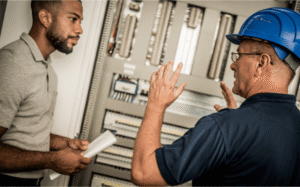 Electrical repair involves fixing a specific fault without changing the broader system. Think resetting a tripped breaker, tightening a loose wire, or replacing a single faulty outlet. Repairs are typically quicker and less expensive, making them the right call for isolated, straightforward issues.
Electrical replacement means swapping out outdated, damaged, or unsafe components—such as old wiring, a worn electrical panel, or corroded breakers. Replacement goes deeper than fixing a symptom. It addresses the root cause or replaces a system that has reached the end of its safe service life.
The core distinction: repairs treat the problem in front of you, while replacements prevent the next problem—and the one after that.
Common Electrical Problems That Can Usually Be Repaired
Not every electrical issue calls for a major overhaul. The following problems are often repairable, especially when they’re isolated to one area of the home and the broader electrical system is relatively modern:
- Flickering lights caused by a loose connection or incompatible dimmer switch
- A single tripping breaker due to an overloaded circuit (not a pattern of trips)
- A dead outlet resulting from a loose wire or tripped GFCI receptacle
- A light switch that stopped working due to worn contacts or a simple wiring issue
- Minor wiring faults in accessible areas without signs of damage or overheating
- Faulty appliance circuit issues where the circuit, not the panel, is the culprit
Repair is usually the right approach when the problem is contained, your electrical system is less than 20–25 years old, and there are no signs of recurring or widespread issues.
Signs You Likely Need Electrical Replacement—Not Just a Repair
Some electrical issues can’t be solved with a patch. If you’re noticing any of the following, replacement is likely the safer and more cost-effective path forward:
- Frequent breaker trips across multiple circuits — a single trip is manageable; a pattern across the home signals a capacity or panel problem
- Burning smell or scorch marks near outlets, switches, or your electrical panel
- Outdated wiring systems — knob-and-tube or aluminum wiring were standard decades ago but pose serious modern safety risks
- Warm or buzzing outlets and switches — heat and sound near electrical components are never normal
- An electrical panel over 25–30 years old — older panels (especially Federal Pacific or Zinsco brands) are known to fail or underperform
- Lights dimming when large appliances switch on — this indicates your system is struggling to handle the load
- Recurring issues in different parts of the home — if the same type of problem keeps appearing in multiple locations, the system itself is the problem
The Safety Risks of Delaying Electrical Replacement
Postponing a necessary replacement isn’t just a financial gamble—it’s a safety one. Degraded or outdated wiring is a leading cause of residential house fires. Faulty wiring produces heat that can ignite surrounding materials inside walls, often without any visible warning until serious damage has occurred.
Beyond fire risk, outdated electrical systems increase the chance of electric shock, cause ongoing damage to appliances and electronics through power fluctuations, and can complicate your home insurance coverage. In Ontario, insurance providers may deny claims or refuse to renew policies on homes with known electrical code violations.
Speaking of code: Ontario homes are subject to the Ontario Electrical Code, and older systems may not meet current standards. This becomes especially relevant during home sales, renovations, or additions—where an inspection may flag non-compliant wiring or panel configurations.
Repair vs Replacement: What Does It Actually Cost?
The short-term cost of a repair is almost always lower. But repeated repairs on an aging system can add up quickly—and they don’t stop the underlying decline.
A few scenarios worth considering:
- Replacing a single breaker costs a fraction of what a full panel replacement costs. But if your panel is aging and breakers are failing one by one, each individual repair is money spent delaying the inevitable.
- Repairing one outlet makes sense in isolation. Rewiring an entire circuit is more disruptive upfront, but eliminates recurring faults and the labor costs that come with each return visit.
A good rule of thumb: if you’ve called an electrician for the same type of issue more than twice in a 12-month period, it’s worth asking whether replacement would cost less over the next five years than continued repairs.
When to Call a Licensed Electrician Immediately
Some electrical problems require urgent attention—not a scheduled appointment, and certainly not a DIY approach. Call a licensed electrician right away if you notice:
- A burning smell or visible smoke from outlets, switches, or your panel
- Sparking when plugging in or unplugging devices
- A breaker that won’t reset or immediately trips again after resetting
- Partial power loss in your home without an obvious cause
- An electric shock from an appliance, switch, or outlet
- Any visible damage to wiring, such as fraying, melting, or exposed conductors
These situations can escalate quickly. Don’t wait.
How Licensed Electricians Decide Between Repair and Replacement
A qualified electrician doesn’t just look at the symptom—they assess the full picture. During a home electrical inspection, a licensed electrician will typically:
- Test circuits and measure load capacity to determine whether the system is being pushed beyond its limits
- Inspect the electrical panel for corrosion, improper wiring, or outdated components
- Check for hidden hazards behind walls using thermal imaging or other diagnostic tools
- Evaluate code compliance against current Ontario Electrical Code standards
This process gives homeowners a clear, evidence-based answer: repair this, or replace that. It removes the guesswork and the risk of making the wrong call.
Preventative Maintenance That Reduces the Need for Major Replacements
The best way to avoid a costly replacement is to catch problems before they escalate. A few practical habits go a long way:
- Schedule regular electrical inspections, especially if your home is more than 20 years old
- Upgrade old outlets and switches proactively, particularly GFCI outlets in kitchens and bathrooms
- Avoid overloading circuits with multiple high-draw appliances
- Install whole-home surge protection to shield electronics from power spikes
- Monitor your breaker panel—note any breakers that trip more than once and have them assessed
Routine maintenance doesn’t eliminate the need for repairs or replacement entirely, but it dramatically reduces the likelihood of emergency calls and unplanned expenses.
The Bottom Line: Small Problems, Big Stakes
 A loose outlet or flickering light may be a quick repair. A pattern of electrical issues across your home, outdated wiring, or an aging panel is a different conversation—one that involves safety, long-term cost, and code compliance.
The repair vs replacement decision isn’t always obvious, which is exactly why it’s worth having a licensed electrician take a look before a minor issue becomes a major hazard.
If you’re in London, Ontario or the surrounding area, Somerton Electric is a trusted local electrician offering expert diagnostics, repairs, and full electrical replacements for residential homes. Whether you’re dealing with a recurring issue or want a professional inspection for peace of mind, their team can help you make the right call, safely and efficiently. Contact Somerton Electric to book your inspection today.